
Finding Lynchburg Residents
No single Lynchburg agency keeps a master list of households. Each custodian holds records for its own reason. The assessor tracks parcels and recorded owners, and the registrar maintains election records. The Circuit Court Clerk preserves deeds and court files. Jones Memorial Library keeps the historical city directory volumes. So the starting point depends on what you hold. It might be a name, a present street address, or an old house number.
A current ownership question begins with the parcel. A former household question begins with a directory year or the deed chain. For one named person, weigh independent details together. Consider an initial, an address, a parcel number, a date, and the person's role in the record. Treat every hit as evidence of a recorded relationship at one moment in time. Renters, minors, protected voters, and recent movers may simply be absent. They may not appear in anything publicly searchable in Lynchburg.
- Search the City Assessor's parcel route by owner name, property address, or parcel identifier.
- Check the Virginia voter portal only for an individual registration question, subject to its limits.
- Follow a recorded owner through the Circuit Clerk's deed index and save the book, page, or document reference.
- Use Jones Memorial Library's directory shelf for earlier address and household clues.
- Ask the custodian or submit a focused VFOIA request when an existing public record is not online.
Lynchburg Resident Records Offices
Lynchburg is an independent city. It sits outside Campbell County entirely. That boundary decides which clerk, which assessor, and which court hold the record for a city parcel. The Circuit Court Clerk keeps local land records, probate files, marriage material, and court records. The City Assessor and GIS services supply the tax-side and map-side clues, while the Registrar handles local election services. Virginia's state portal provides individual voter-information functions for Lynchburg.
Each custodian answers a narrow question. The clerk confirms recorded instruments and copies, the assessor explains the ownership roll, and GIS explains its layers and map data. Campbell County offices belong in a Lynchburg search only when the parcel itself crosses the city line.
Lynchburg Parcel Search Clues
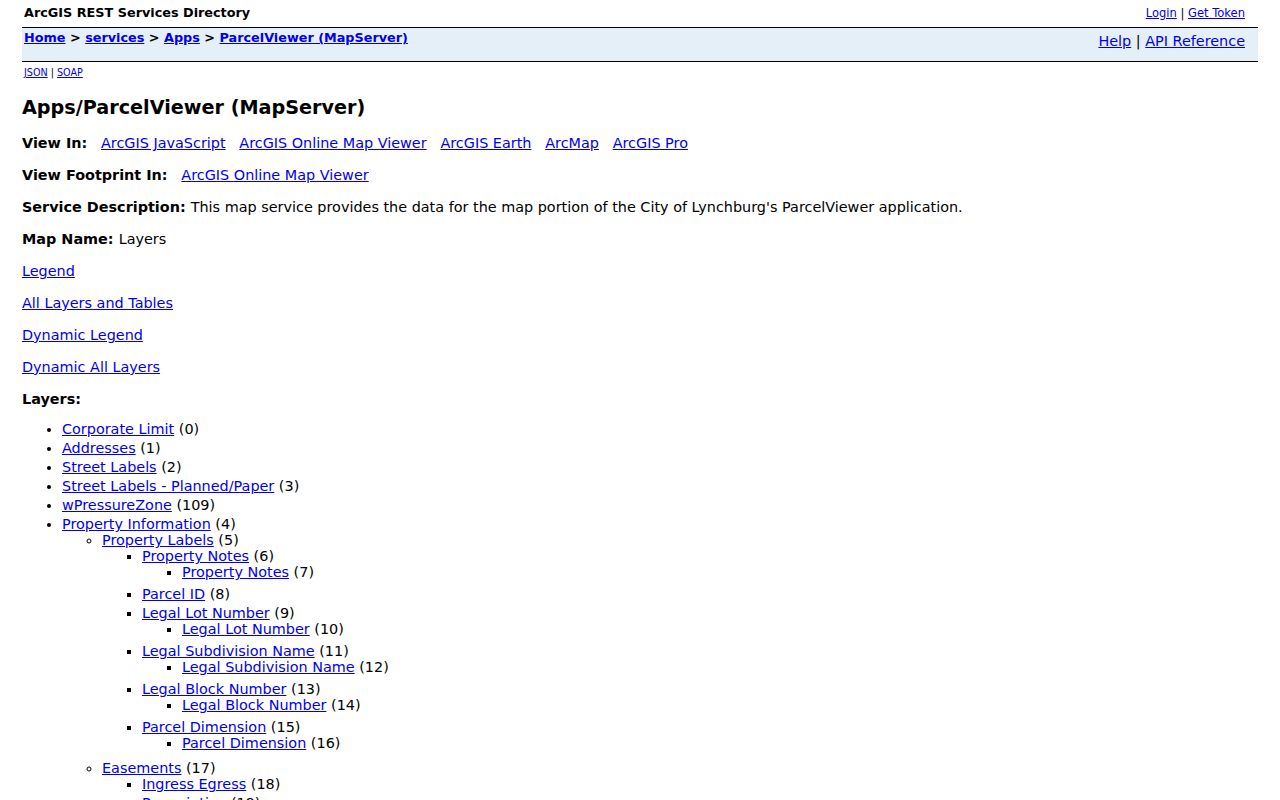
The City Assessor points property research to the Parcel Viewer. It supports owner-name, property-address, and parcel searches. The alphabetical ownership roll runs each year from July 1 through June 30. Transfers and permits are updated during the year. The public GIS schema names its fields plainly, including Parcel_ID, LocAddr, LocZip, Owner1, and Owner2. One caution belongs here. A parcel owner is not automatically the occupant of the Lynchburg address. The mailing address on file serves only tax correspondence.
| Owner name | Recorded ownership clue, not proof of residence. |
|---|---|
| Situs address | Physical location of the parcel. |
| Parcel_ID | Identifier that connects map work to deed and plat research. |
| Legal description | Lot, block, subdivision, or other deed language that survives a street-number change. |
The GIS Parcel Viewer layers carry boundaries, zoning, wards, precincts, historic districts, flood areas, ZIPs, and annexation dates. The map-service environment is a discovery tool. It is not a survey or a legal representation of any Lynchburg parcel.
When a question turns on title, a plat, or an exact legal boundary, use a recorded deed or a certified clerk copy.
Lynchburg Deed Records by Date
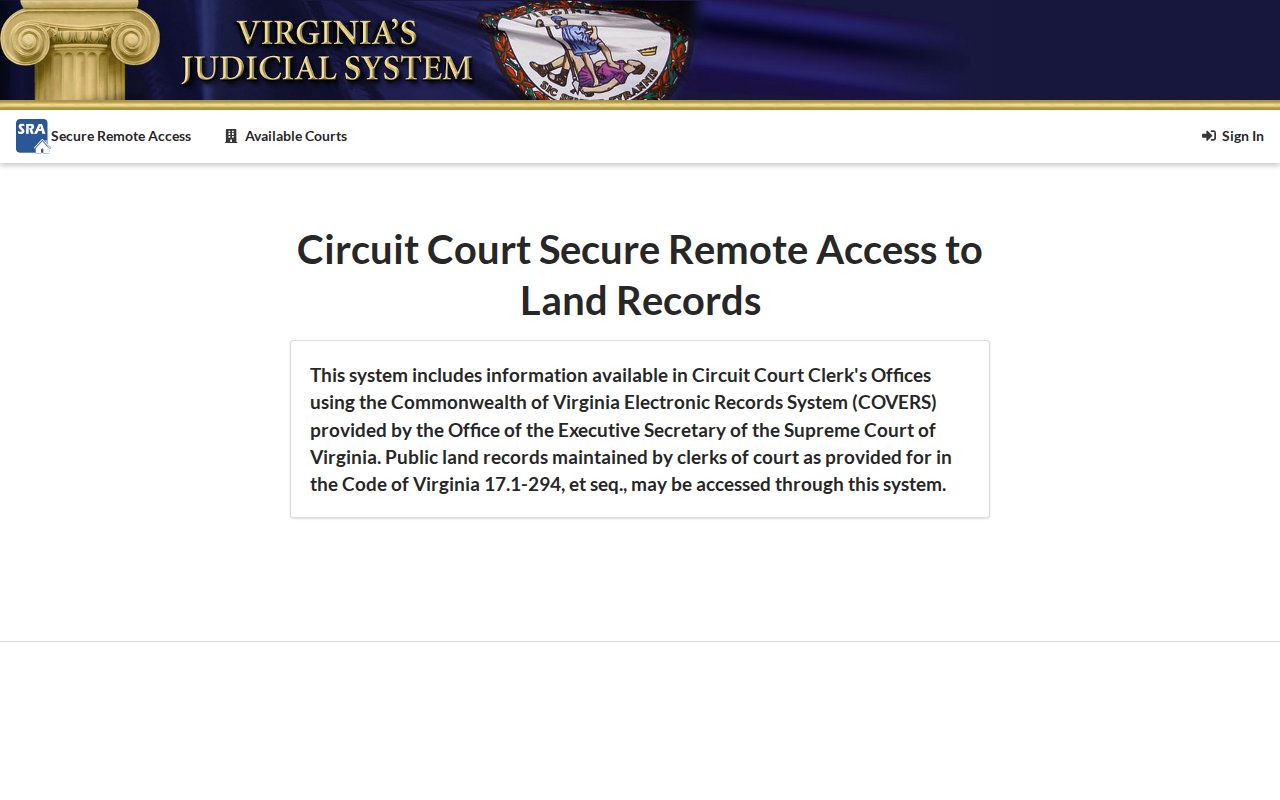
The Circuit Clerk's deed page describes local land records reaching back to 1805. Coverage splits by era. The paid Virginia Secure Remote Access system is called SRA. It carries deeds and land records from 1956 forward. Special grantor and grantee index books cover 1937 through 1978. Anything older belongs to the in-person route or the Library of Virginia. That layering matters when a modern parcel trail stops abruptly at the online boundary.
Walk the chain instead of jumping around. Search the current owner as grantee. Read the purchase record. Then search that seller as a prior grantee. Along the way, record the instrument date and the recording date. Also note the book or document number, the legal description, and any plat reference. An index only points to a record; it is not the certified record itself. SRA is inquiry-only and requires a subscriber account, a notarized application, and payment.
The Virginia SRA entry page is the online gateway for participating clerk records. Its application documents the coverage and access rules for Lynchburg deeds. However, the public pages do not publish a complete live field list.
For older books, plat questions, certified copies, and records outside the online image range, the clerk's public-records room remains the sound fallback.
Lynchburg Court Search Fallback
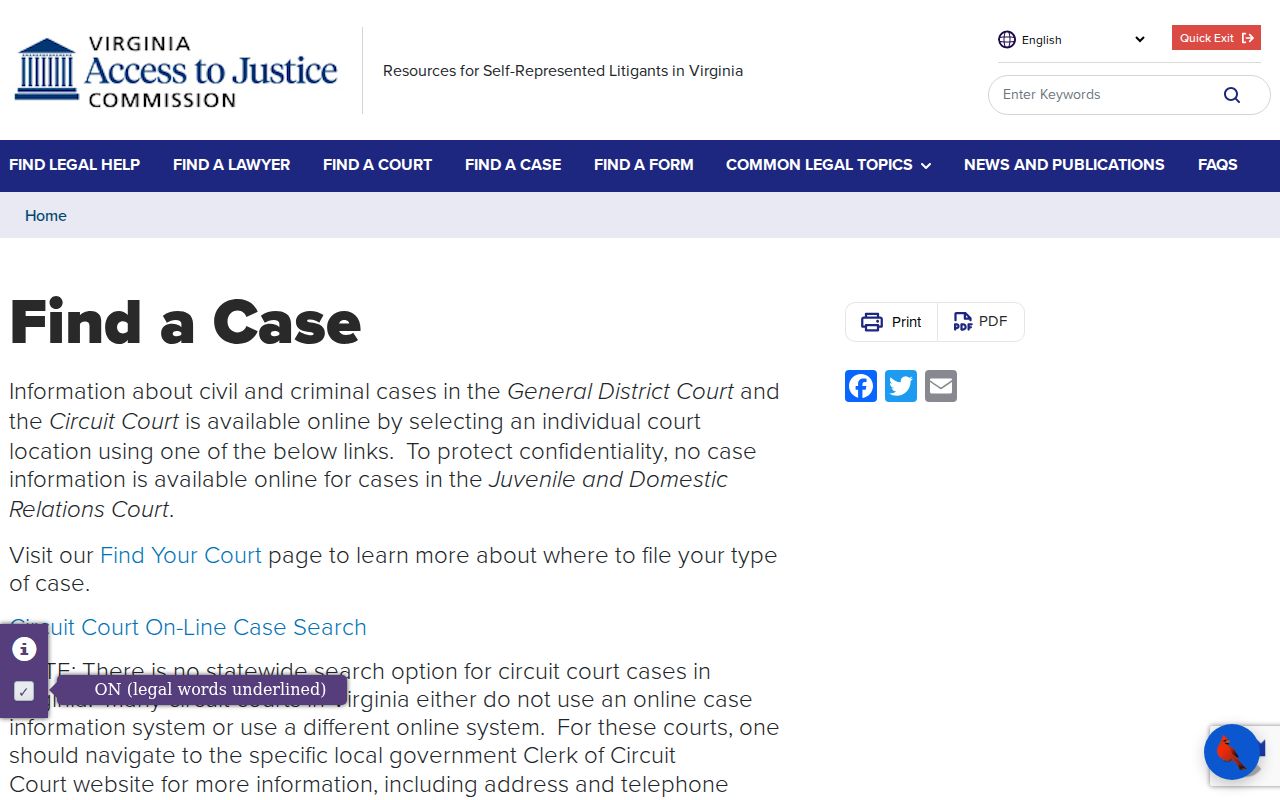
Virginia's case-information instructions route a searcher to locality-specific Circuit and General District systems. Expect friction on both. The Circuit link may reject a direct browser visit, and the General District route can force a captcha or redirect, so its field labels are not a safe basis for guessing. Juvenile and Domestic Relations information stays outside that ordinary public web search.
When an online court search stalls, call the Circuit Clerk at 434-455-2620 or use the public-records room. Before requesting a copy, ask whether the file is public, sealed, archived, expunged, or held by another division. A case index can surface a case number or a party role. Pleadings, exhibits, addresses, and dispositions may follow different access rules. Under the city's civil-case guidance, a granted expungement is removed from court records.
The official court-search chooser helps select a court channel. It does not replace a clerk's confirmation or a copy request.
Federal matters run through the Western District of Virginia and PACER, which sit apart from the Lynchburg city court indexes.
Lynchburg Voter Record Limits
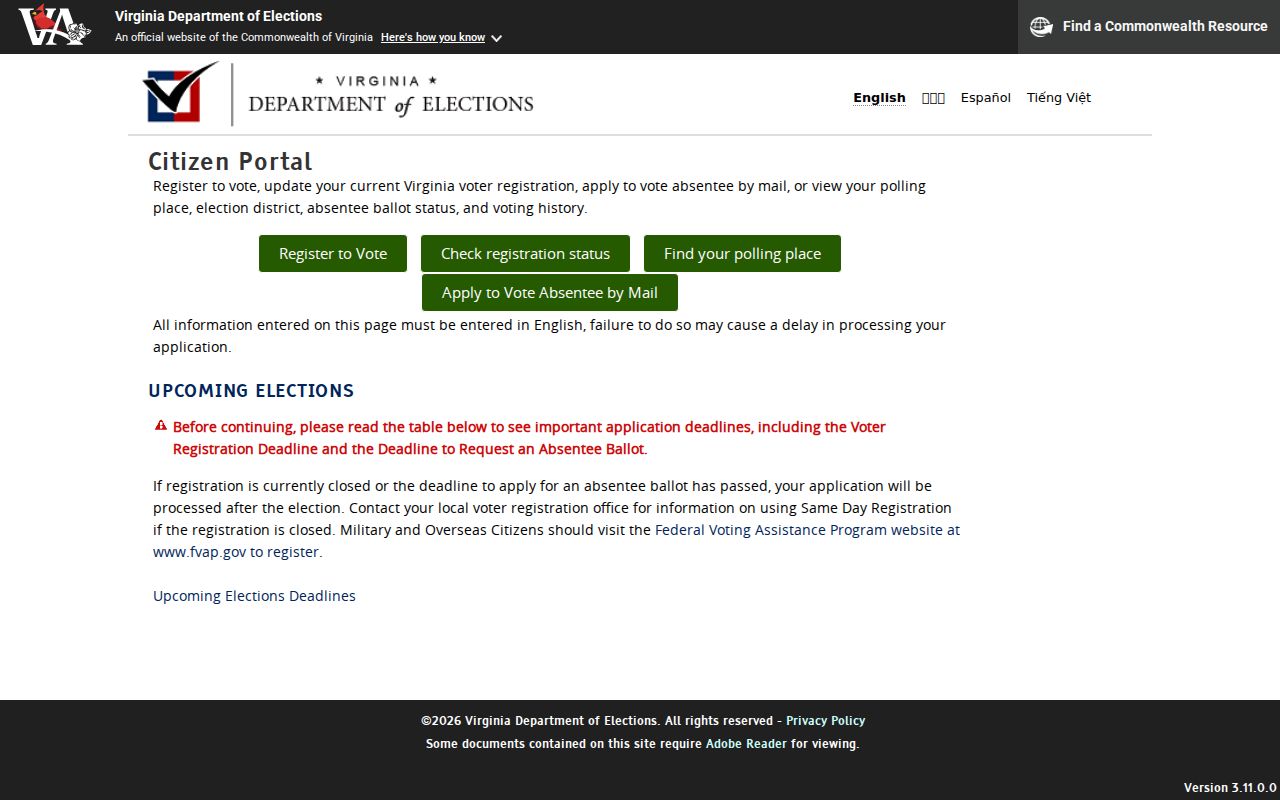
Virginia keeps voter records tight on purpose. The Citizen Portal lets a person check a registration, update an address, or find a polling place. A voter can also request an absentee ballot or review voting history. It answers one voter's question at a time. It was never meant to build a street-wide household roster for Lynchburg or anywhere else. The local Registrar's public list carries more detail. It includes name, residence address, birth year, gender, and election districts, all under Virginia Code §24.2-444.
Plenty stays shielded, though. Social Security numbers, full birth dates, and protected addresses fall outside ordinary public access. Virginia's protected-voter rules and its Address Confidentiality Program can swap out a residence address. They can withhold it entirely. So a match in the voter rolls confirms only the record as it stood on its date. It proves nothing about who lives there now. It says nothing about family ties or every resident at the address.
The portal works well as a first stop for a single voter question. For anything deeper, the Lynchburg Registrar offers in-person, mail, and election-service options as a fallback.
A voter-list request needs the Department of Elections form, with its requester eligibility and use restrictions. A portal result cannot simply be exported as a mailing list.
Lynchburg Vital Index Windows
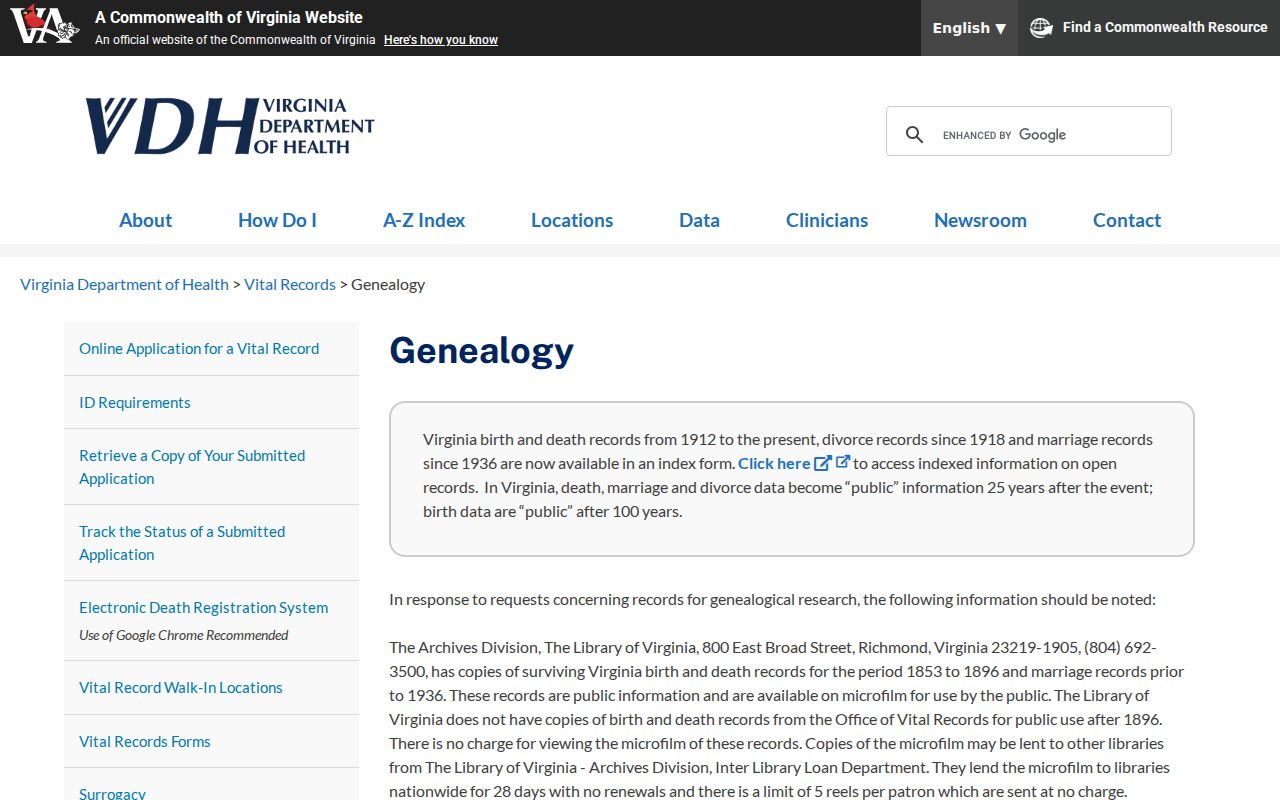
Virginia Department of Health genealogy resources separate public indexes from certified copies. Birth records open after 100 years. Death, marriage, and divorce records open after 25 years under Virginia Code §32.1-271. VDH indexes cover births and deaths from 1912, divorces from 1918, and marriages from 1936. Older material survives through Library of Virginia routes.
Requests inside the restricted period need a written request, identification, eligibility, and a fee. The Lynchburg Health Department serves as the local registrar location. VDH sets the statewide issuance and genealogy rules. An index entry can confirm a name, place, or date of an event. It does not unlock every certificate detail. For a city event, enter "Lynchburg city" in the locality field, not Campbell County.
The VDH genealogy page is the practical place to confirm current public periods and request channels. Check it before any visit or mail request.
Library microfilm, obituary indexes, and cemetery material all help with family-history questions. None of them substitutes for a certified vital record.
Current Lynchburg Resident Directories
Several public sources work like partial residents directories, yet each describes a different relationship. The owner roll follows parcels. A voter record reflects registration. A deed index lists parties to an instrument. Court and license records answer narrower questions, and the city staff directory lists public contacts rather than city households. Pick the source that fits the question: ownership, an official filing, civic registration, or historical presence.
| Record source | What it can show | Custodian | Access route |
|---|---|---|---|
| Parcel and ownership roll | Owner, parcel, and situs clues | City Assessor | Free Parcel Viewer |
| Voter information | Individual registration functions | Virginia Elections / Registrar | Portal or registrar office |
| Recorded deeds | Grantors, grantees, dates, legal descriptions | Circuit Court Clerk | SRA, records room, LVA |
| Court indexes | Public case identifiers and party roles | Local courts | Portal where available, clerk fallback |
| Historical directories | Annual residence and occupation clues | Jones Memorial Library | Reading Room and digital runs |
Official records explain their source and date more plainly than commercial people-finder products, which can blend stale or mismatched data behind a paywall. For a one-person confirmation trail, the focused Lynchburg resident lookup workflow pairs well with comparing more than one independent record.
Lynchburg FOIA Request Route
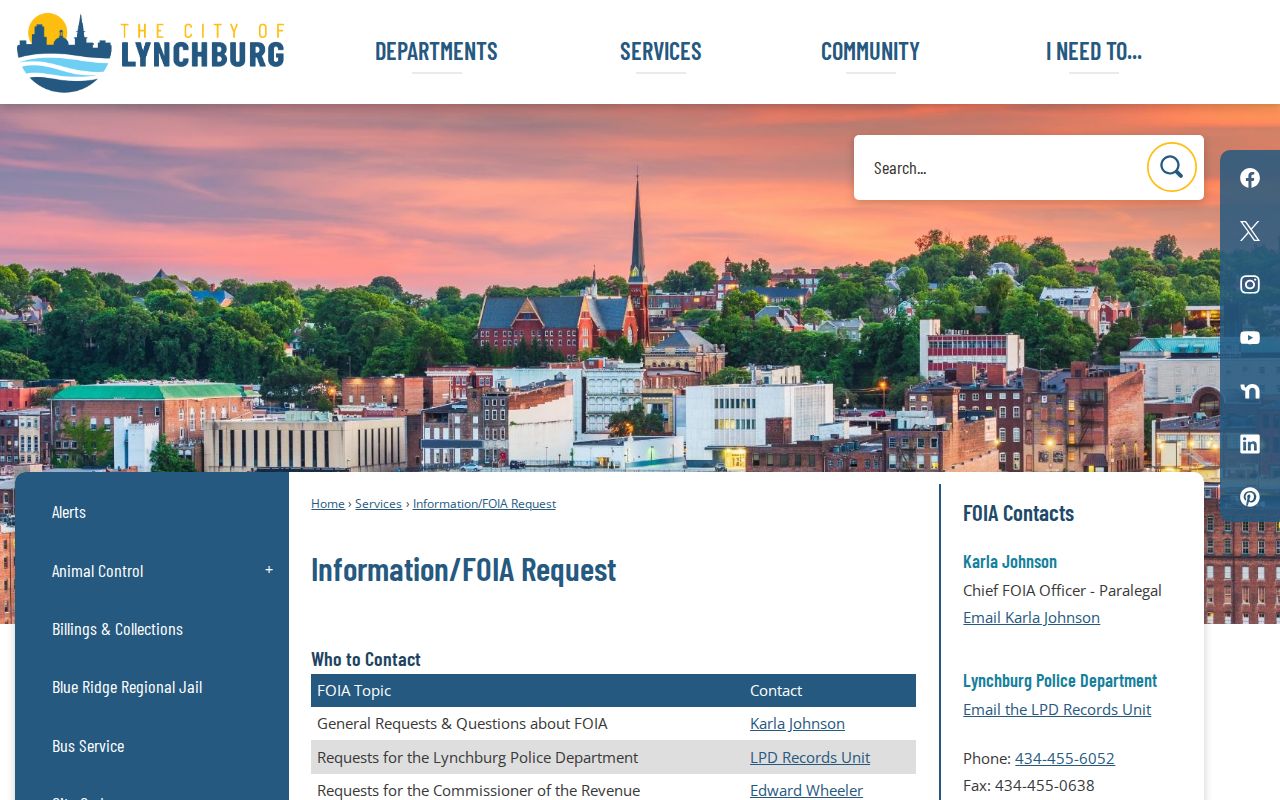
A city record may not be online. In that case, the Lynchburg FOIA page explains how to ask for existing records by mail, fax, email, in person, telephone, or its online route. A request should describe the records with reasonable specificity. The city does not have to create a new list or answer a research question.
Virginia FOIA, Code §§2.2-3700 through 2.2-3714, generally calls for a response within five working days. The city may provide records or cite an exemption. It may release redacted material, state that records do not exist, or explain why more time is needed. Search, production, copying, postage, and related direct costs may apply. A deposit can be required for an estimate above $200.
The request page provides the official contact route. It works best when the precise record, department, date range, and subject are known in advance.
Library patron records, utility accounts, tax returns, complaint-maker information, and protected personal data sit among the record types that can be exempt or redacted.
Lynchburg Library Research Shelf
Jones Memorial Library is the main local-history stop for address and family research in Lynchburg. Its Reading Room holds a printed city-directory run from 1873 to the present, plus newspapers, obituary indexes, funeral material, census microfilm, manuscripts, architectural plans, and local collections. Public use is free. Amenities include closed stacks, reference assistance, three computers with Ancestry Library Edition, and four microfilm readers.
A directory entry may record a surname, a spouse notation, an occupation or business connection, and a residence address. An absence can mean a spelling variation, a different section of the city, an omitted household, or a gap in the publisher's coverage. Pair a directory year with a deed, census snapshot, obituary, or map before concluding that a family moved or that a relationship existed.
- Roll
- A list created for a specific public purpose, such as ownership or voter registration.
- Index
- A finding aid that points to a record, often by name, date, book, or page.
- Criss-cross directory
- An address-oriented way to work back from a residence line to a name.
- Parcel
- A mapped unit of property tied to tax and legal-description records.
Lynchburg ZIP Boundary Checks
A ZIP code is a postal label, nothing more. It does not mark a city boundary or count residents. The 2026 USPS audit covers four main Lynchburg delivery ZIPs. These are 24501, 24502, 24503, and 24504. The city GIS ZIP layer adds edge areas labeled 24513, 24515, and 24551. Labels such as 24505 and 24506 appear in USPS material. The city treats neither as a city-limit ZIP area, though.
Check postal facts first with the USPS ZIP Code Lookup, address by address. Then turn to the city parcel and corporate-limit layers for the jurisdiction answer. A city-clipped GIS polygon never describes a full postal route. A Census ZCTA is likewise a statistical approximation. It should not stand in for a delivery area.
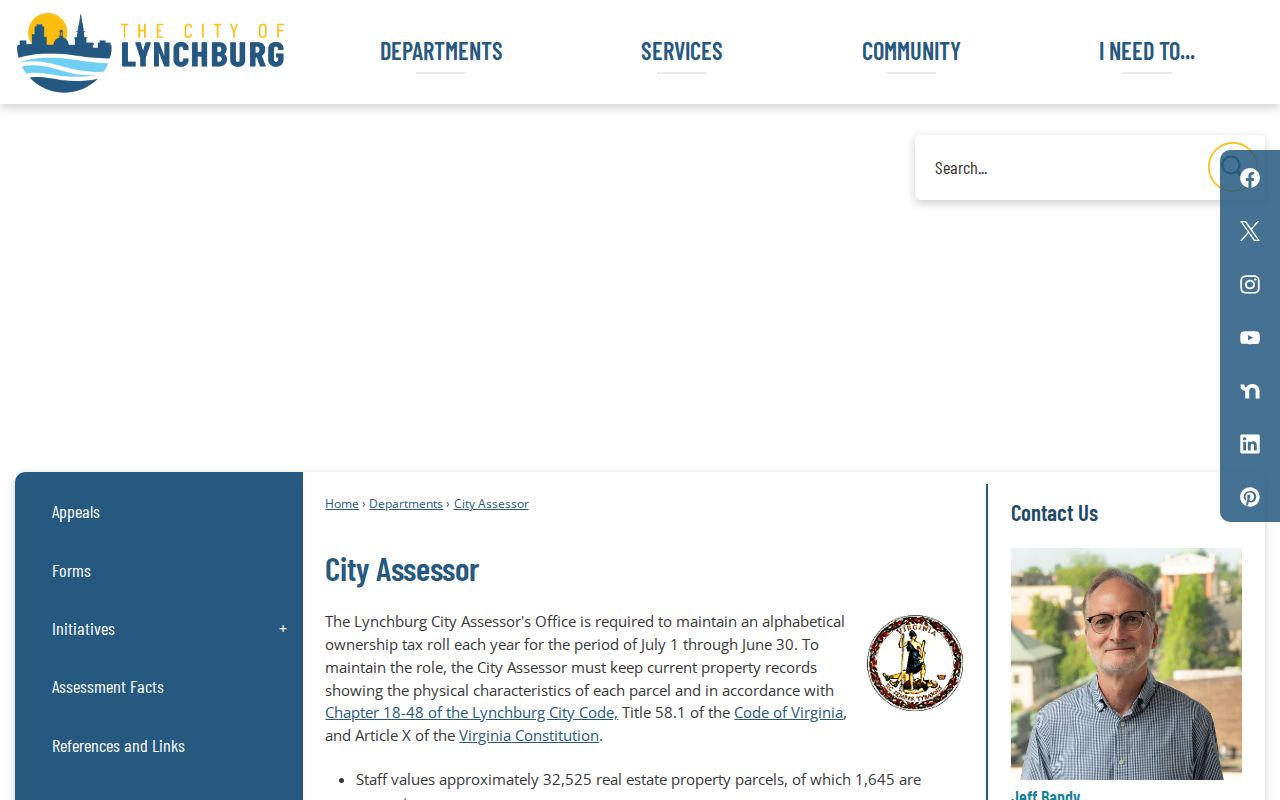
The City Assessor page below opens the owner, address, and parcel search. That search separates postal geography from the parcel's official city record.
Keep four things distinct when you check an address: the ZIP, the ward and precinct, the situs address, and the legal description.
Lynchburg Search Safety Limits
Public access has firm limits in Virginia. The Address Confidentiality Program shields an eligible participant's actual address, and protected-voter rules can withhold or substitute a residence address on the rolls. City records also close utility accounts, library patron data, certain complaint-maker details, personnel files, and individual tax returns. Federal law restricts DMV records as well.
Suppose an official record looks wrong. Take the exact record number and your supporting evidence straight to the custodian. Ask how corrections work. A VFOIA request reaches existing records only; it cannot force an office to rewrite history. Note the source date a record carries. Note the role it assigns, rather than stitching weak matches into one identity.
Lynchburg State Custody Searches
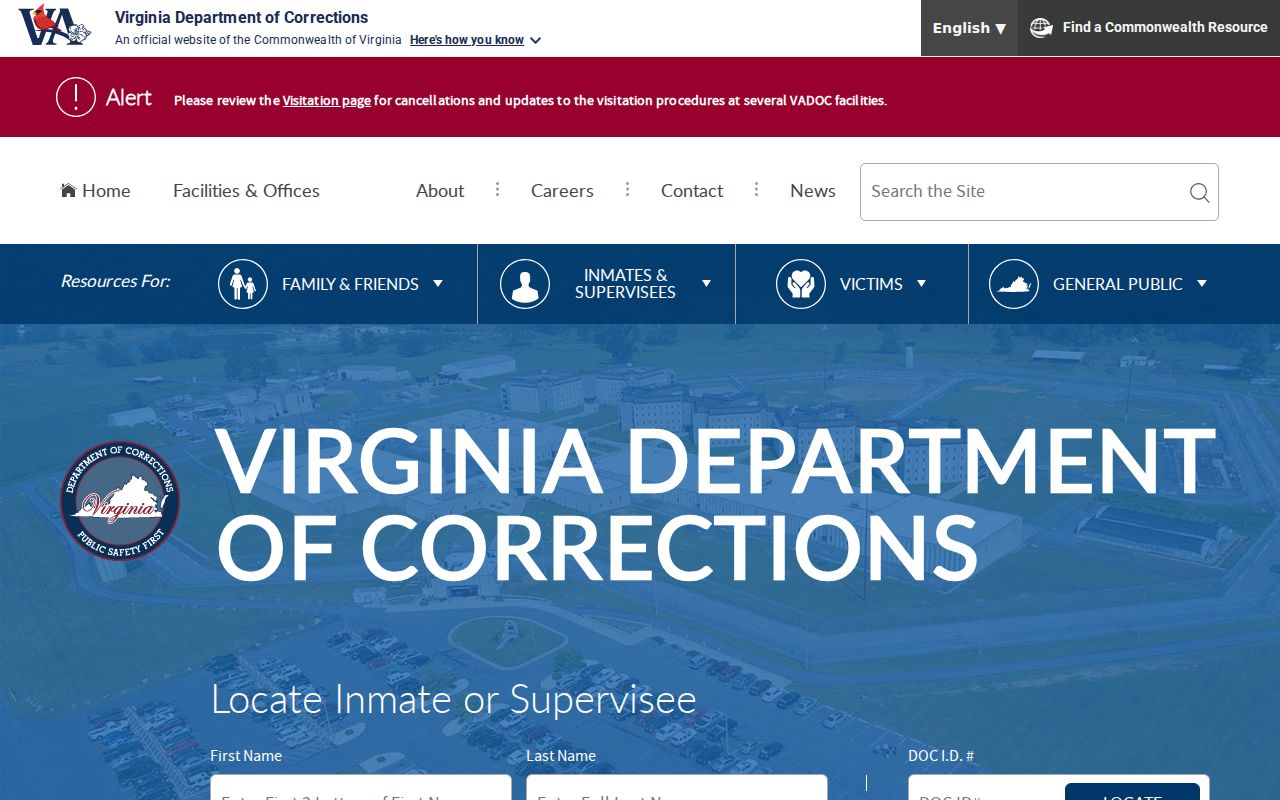
A custody question is not a resident lookup. The Virginia Department of Corrections locator is the official state-prison route. It is refreshed daily. But it covers state custody only. It cannot substitute for a local booking record, a court docket, or a home-address record. The Blue Ridge Regional Jail Authority serves Lynchburg, and the authority publishes no public roster.
The VADOC locator screen below is useful only within that custody scope. A no-result proves nothing about where a person lives now. Nor does it show whether they were ever held.
Need a local report or incident record? Use the Lynchburg Police Department's documented request procedure and its eligibility rules. A custody search is not a person directory.
Historic Lynchburg Directory Records
Lynchburg's historical record trail has depth and real gaps. The local deed series starts in 1805. Library of Virginia notes that city-council minutes from April 1838 through March 1851 are missing. That gap falls entirely within those years. Printed city directories begin in 1873. Digitized local runs cover 1873, 1875 through 1877, 1879 through 1881, and 1909. Those dates describe collections, not uninterrupted proof about a person.
Street-history material also documents an 1882 building renumbering. An older directory entry may carry a prior number, a former street name, or a neighborhood label. It may use any of these instead of the modern address. Compare cross streets, deed descriptions, Sanborn maps, directory years, street aliases, and annexation layers. Do all of that before forcing an old entry onto a current number. The full historical shelf sits on the Lynchburg city directories page.
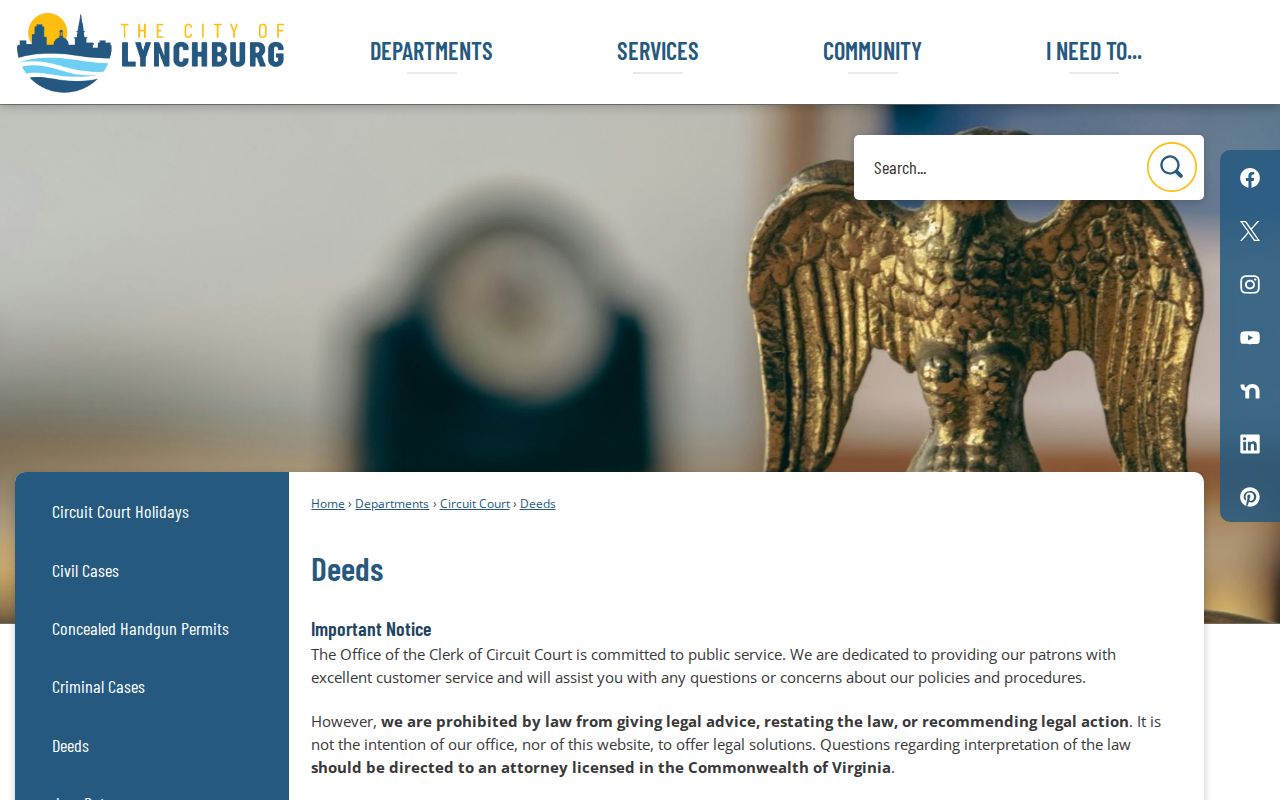
The current deed-access page below offers a useful reminder. Modern online systems rest on older books, indexes, microfilm, and clerk-counter research.
Working with older names and addresses? Record the volume, page, spelling, and exact source date. That trail lets library or clerk staff reproduce your find.